
 Вход в систему

 Dubai
 русский
 AED




Расположение 
 Дубай
 English
Валюта
 $ - USD
- £ - GBP
- € - EUR
- SR - SAR
- KD - KWD
- ₽ - RUB
- ₹ - INR
- Rs - PKR
- ر.ع - OMR
- د.إ - MAD
- د.إ - JOD
- د.إ - QAR
- Аренда автомобиля
-
Посмотреть все автомобили
Категории
- роскошь
- Спорт
- Маслкары
- Электромобили
- Автомобили без депозита
 НОВЫЙ
- Экономика
- Специальное издание НОВЫЙ
Типы тела
 Аренда автомобиля
-
Посмотреть все автомобили
-
Купить автомобиль
-
Посмотреть все автомобилиКатегории
- Седан
- ВНЕДОРОЖНИК
- Роскошные автомобили
- Мышечные автомобили
- Спортивные автомобили
- Экономика
- Электромобили
- Купе
- Экспортные автомобили
 New
Просмотреть автомобили по бюджету- автомобили До AED 20K
- автомобили До AED 50K
- автомобили До AED 100K
- автомобили До AED 200K
- автомобили До AED 500K
 Тренды
Посмотреть все автомобилиКатегорииПросмотреть автомобили по бюджету
- Автомобили под AED 50K
- Автомобили под AED 100K
- Автомобили под AED 200K
- Автомобили под AED 350K
- Автомобили под AED 500K
- > AED 500K
 Купить автомобиль
-
-
Экспортные автомобили
Экспортные автомобили
-
Автомобильные бренды
 Sorry! We may not have that brand right now, but we’re always adding to our collection. Check back later.Абарт
 Abarth (1 Автомобиль) АИТО
 AITO (2 автомобили) Альфа-Ромео
 Alfa Romeo (30+ автомобили) Ашок Лейланд
 Ashok Leyland (4 автомобили) Aston Martin
 Aston Martin (10+ автомобили) Ауди
 Audi (190+ автомобили) Avatr
 Avatr (1 Автомобиль) BAIC
 BAIC (10+ автомобили) BAW
 BAW (8 автомобили) Бентли
 Bentley (100+ автомобили) Бествин
 Bestune (3 автомобили) BMW
 BMW (430+ автомобили) Brilliance
 Brilliance (2 автомобили) Бугатти
 Bugatti (4 автомобили) Бьюик
 Buick (1 Автомобиль) BYD
 BYD (140+ автомобили) Кадиллак
 Cadillac (90+ автомобили) Кан-ам
 Can-am (1 Автомобиль) Чанган
 Changan (50+ автомобили) Чери
 Chery (50+ автомобили) Chevrolet
 Chevrolet (220+ автомобили) Крайслер
 Chrysler (6 автомобили) Citroën
 Citroen (6 автомобили) CMC
 CMC (9 автомобили) Купра
 Cupra (1 Автомобиль) Дэу
 Daewoo (1 Автомобиль) Дайхатсу
 Daihatsu (1 Автомобиль) Дипал
 Deepal (1 Автомобиль) Денза
 Denza (3 автомобили) Dodge
 Dodge (220+ автомобили) ДонгФэн
 Dongfeng (5 автомобили) Эксид
 Exeed (20+ автомобили) Фенгон
 Fengon (1 Автомобиль) Феррари
 Ferrari (90+ автомобили) Фиат
 Fiat (20+ автомобили) Форд
 Ford (350+ автомобили) Фортинг
 Forthing (3 автомобили) GAC
 GAC (30+ автомобили) Джили
 Geely (80+ автомобили) Genesis
 Genesis (10+ автомобили) GMC
 GMC (90+ автомобили) Great Wall
 Great Wall (2 автомобили) Хавал
 Haval (20+ автомобили) Хино
 Hino (1 Автомобиль) HiPhi
 HiPhi (1 Автомобиль) Хонда
 Honda (100+ автомобили) Хунци
 Hongqi (4 автомобили) Hummer
 Hummer (2 автомобили) Хюндай
 Hyundai (280+ автомобили) Инеос
 Ineos (6 автомобили) Инфинити
 Infiniti (100+ автомобили) Isuzu
 Isuzu (20+ автомобили) ИВЕКО
 Iveco (2 автомобили) JAC
 JAC (50+ автомобили) Jaecoo
 Jaecoo (1 Автомобиль) Ягуар
 Jaguar (30+ автомобили) Джип
 Jeep (260+ автомобили) Джетур
 Jetour (110+ автомобили) Кайи
 Kaiyi (10 автомобили) Киа
 Kia (220+ автомобили) Ламборджини
 Lamborghini (60+ автомобили) Лансия
 Lancia (1 Автомобиль) Land Rover
 Land Rover (420+ автомобили) Лексус
 Lexus (250+ автомобили) Ли Авто
 Li Auto (10+ автомобили) Линкольн
 Lincoln (20+ автомобили) Livan
 Livan (1 Автомобиль) Лотос
 Lotus (8 автомобили) Lucid
 Lucid (1 Автомобиль) Линк и Ко
 Lynk and Co (3 автомобили) Мазерати
 Maserati (20+ автомобили) Максус
 Maxus (3 автомобили) Мазда
 Mazda (70+ автомобили) Макларен
 McLaren (10+ автомобили) Мерседес Бенц
 Mercedes Benz (1260+ автомобили) Мерседес Майбах
 Mercedes Maybach (10 автомобили) МГ
 MG (180+ автомобили) Мини
 Mini (50+ автомобили) Мицубиси
 Mitsubishi (480+ автомобили) Митсубиси Фусо
 Mitsubishi Fuso (2 автомобили) Морган
 Morgan (10 автомобили) Ниссан
 Nissan (740+ автомобили) Омода
 Omoda (2 автомобили) Опель
 Opel (2 автомобили) ORA
 ORA (1 Автомобиль) Пагани
 Pagani (2 автомобили) Пежо
 Peugeot (60+ автомобили) Polestar
 Polestar (1 Автомобиль) Понтиак
 Pontiac (1 Автомобиль) Порше
 Porsche (180+ автомобили) Рабдан
 Rabdan (2 автомобили) RAM
 Ram (160+ автомобили) Рено
 Renault (30+ автомобили) Ривиан
 Rivian (1 Автомобиль) ROEWE
 ROEWE (1 Автомобиль) Роллс-Ройс
 Rolls Royce (120+ автомобили) ROX
 ROX (90+ автомобили) Шкода
 Skoda (7 автомобили) Скайвелл
 Skywell (3 автомобили) Smart
 Smart (1 Автомобиль) Soueast
 Soueast (1 Автомобиль) Субару
 Subaru (9 автомобили) Suzuki
 Suzuki (200+ автомобили) ТАНК
 TANK (4 автомобили) Тата
 Tata (1 Автомобиль) Тесла
 Tesla (50+ автомобили) Тойота
 Toyota (2510+ автомобили) Триумф
 Triumph (1 Автомобиль) VGV
 VGV (6 автомобили) Victory
 Victory (4 автомобили) Фольксваген
 Volkswagen (150+ автомобили) Вольво
 Volvo (50+ автомобили) Войя
 Voyah (6 автомобили) Вулинг
 Wuling (3 автомобили) Xiaomi
 Xiaomi (10 автомобили) ЯнВан
 YangWang (2 автомобили) Зикр
 Zeekr (5 автомобили) ZX
 ZX (5 автомобили)
АИТО AITO (2 автомобили) Ашок Лейланд Ashok Leyland (1 Автомобиль) Aston Martin Aston Martin (1 Автомобиль) Ауди Audi (9 автомобили) Avatr Avatr (1 Автомобиль) BAIC BAIC (7 автомобили) BAW BAW (6 автомобили) Бентли Bentley (10+ автомобили) BMW BMW (50+ автомобили) Brilliance Brilliance (1 Автомобиль) BYD BYD (90+ автомобили) Кадиллак Cadillac (30+ автомобили) Чанган Changan (40+ автомобили) Чери Chery (30+ автомобили) Chevrolet Chevrolet (9 автомобили) Citroën Citroen (4 автомобили) CMC CMC (9 автомобили) Дэу Daewoo (1 Автомобиль) Дипал Deepal (1 Автомобиль) Денза Denza (3 автомобили) Dodge Dodge (4 автомобили) ДонгФэн Dongfeng (4 автомобили) Феррари Ferrari (10 автомобили) Фиат Fiat (10+ автомобили) Форд Ford (30+ автомобили) GAC GAC (9 автомобили) Джили Geely (5 автомобили) Genesis Genesis (2 автомобили) GMC GMC (10+ автомобили) Great Wall Great Wall (2 автомобили) Хавал Haval (3 автомобили) Хонда Honda (3 автомобили) Хюндай Hyundai (60+ автомобили) Инеос Ineos (1 Автомобиль) Инфинити Infiniti (20+ автомобили) Isuzu Isuzu (10+ автомобили) JAC JAC (1 Автомобиль) Джип Jeep (120+ автомобили) Джетур Jetour (9 автомобили) Кайи Kaiyi (1 Автомобиль) Киа Kia (40+ автомобили) Ламборджини Lamborghini (8 автомобили) Land Rover Land Rover (80+ автомобили) Лексус Lexus (130+ автомобили) Ли Авто Li Auto (8 автомобили) Livan Livan (1 Автомобиль) Лотос Lotus (3 автомобили) Линк и Ко Lynk and Co (2 автомобили) Максус Maxus (2 автомобили) Мазда Mazda (1 Автомобиль) Макларен McLaren (1 Автомобиль) Мерседес Бенц Mercedes Benz (200+ автомобили) Мерседес Майбах Mercedes Maybach (2 автомобили) МГ MG (50+ автомобили) Мицубиси Mitsubishi (220+ автомобили) Митсубиси Фусо Mitsubishi Fuso (1 Автомобиль) Морган Morgan (8 автомобили) Ниссан Nissan (160+ автомобили) Омода Omoda (2 автомобили) ORA ORA (1 Автомобиль) Пежо Peugeot (7 автомобили) Порше Porsche (10 автомобили) Рабдан Rabdan (2 автомобили) RAM Ram (130+ автомобили) Рено Renault (3 автомобили) Роллс-Ройс Rolls Royce (10+ автомобили) ROX ROX (70+ автомобили) Скайвелл Skywell (3 автомобили) Suzuki Suzuki (140+ автомобили) ТАНК TANK (3 автомобили) Тата Tata (1 Автомобиль) Тесла Tesla (9 автомобили) Тойота Toyota (1850+ автомобили) VGV VGV (4 автомобили) Victory Victory (3 автомобили) Фольксваген Volkswagen (10+ автомобили) Войя Voyah (6 автомобили) Вулинг Wuling (3 автомобили) Xiaomi Xiaomi (8 автомобили) Зикр Zeekr (3 автомобили) ZX ZX (5 автомобили)
Абарт Abarth (1 Автомобиль) АИТО AITO (2 автомобили) Альфа-Ромео Alfa Romeo (10+ автомобили) Ашок Лейланд Ashok Leyland (1 Автомобиль) Aston Martin Aston Martin (10+ автомобили) Ауди Audi (110+ автомобили) Avatr Avatr (1 Автомобиль) BAIC BAIC (3 автомобили) BAW BAW (6 автомобили) Бентли Bentley (80+ автомобили) Бествин Bestune (3 автомобили) BMW BMW (280+ автомобили) Brilliance Brilliance (2 автомобили) Бугатти Bugatti (4 автомобили) Бьюик Buick (1 Автомобиль) BYD BYD (90+ автомобили) Кадиллак Cadillac (50+ автомобили) Кан-ам Can-am (1 Автомобиль) Чанган Changan (50+ автомобили) Чери Chery (40+ автомобили) Chevrolet Chevrolet (140+ автомобили) Крайслер Chrysler (6 автомобили) Citroën Citroen (3 автомобили) CMC CMC (9 автомобили) Дэу Daewoo (1 Автомобиль) Дайхатсу Daihatsu (1 Автомобиль) Дипал Deepal (1 Автомобиль) Денза Denza (3 автомобили) Dodge Dodge (160+ автомобили) ДонгФэн Dongfeng (4 автомобили) Эксид Exeed (2 автомобили) Фенгон Fengon (1 Автомобиль) Феррари Ferrari (70+ автомобили) Фиат Fiat (10+ автомобили) Форд Ford (250+ автомобили) GAC GAC (10+ автомобили) Джили Geely (20+ автомобили) Genesis Genesis (9 автомобили) GMC GMC (60+ автомобили) Great Wall Great Wall (2 автомобили) Хавал Haval (10 автомобили) HiPhi HiPhi (1 Автомобиль) Хонда Honda (80+ автомобили) Хунци Hongqi (3 автомобили) Хюндай Hyundai (200+ автомобили) Инеос Ineos (3 автомобили) Инфинити Infiniti (70+ автомобили) Isuzu Isuzu (20+ автомобили) ИВЕКО Iveco (2 автомобили) JAC JAC (30+ автомобили) Ягуар Jaguar (20+ автомобили) Джип Jeep (100+ автомобили) Джетур Jetour (60+ автомобили) Кайи Kaiyi (2 автомобили) Киа Kia (160+ автомобили) Ламборджини Lamborghini (40+ автомобили) Лансия Lancia (1 Автомобиль) Land Rover Land Rover (280+ автомобили) Лексус Lexus (200+ автомобили) Ли Авто Li Auto (5 автомобили) Линкольн Lincoln (10+ автомобили) Livan Livan (1 Автомобиль) Лотос Lotus (8 автомобили) Lucid Lucid (1 Автомобиль) Линк и Ко Lynk and Co (3 автомобили) Мазерати Maserati (10+ автомобили) Максус Maxus (3 автомобили) Мазда Mazda (40+ автомобили) Макларен McLaren (10+ автомобили) Мерседес Бенц Mercedes Benz (1050+ автомобили) Мерседес Майбах Mercedes Maybach (9 автомобили) МГ MG (110+ автомобили) Мини Mini (30+ автомобили) Мицубиси Mitsubishi (370+ автомобили) Митсубиси Фусо Mitsubishi Fuso (2 автомобили) Морган Morgan (10 автомобили) Ниссан Nissan (510+ автомобили) Опель Opel (2 автомобили) ORA ORA (1 Автомобиль) Пагани Pagani (2 автомобили) Пежо Peugeot (40+ автомобили) Polestar Polestar (1 Автомобиль) Понтиак Pontiac (1 Автомобиль) Порше Porsche (150+ автомобили) RAM Ram (10+ автомобили) Рено Renault (20+ автомобили) Ривиан Rivian (1 Автомобиль) ROEWE ROEWE (1 Автомобиль) Роллс-Ройс Rolls Royce (110+ автомобили) ROX ROX (80+ автомобили) Шкода Skoda (5 автомобили) Скайвелл Skywell (3 автомобили) Smart Smart (1 Автомобиль) Субару Subaru (8 автомобили) Suzuki Suzuki (170+ автомобили) ТАНК TANK (4 автомобили) Тата Tata (1 Автомобиль) Тесла Tesla (30+ автомобили) Тойота Toyota (2290+ автомобили) Триумф Triumph (1 Автомобиль) VGV VGV (6 автомобили) Victory Victory (4 автомобили) Фольксваген Volkswagen (90+ автомобили) Вольво Volvo (30+ автомобили) Войя Voyah (6 автомобили) Вулинг Wuling (3 автомобили) Xiaomi Xiaomi (10 автомобили) ЯнВан YangWang (1 Автомобиль) Зикр Zeekr (3 автомобили) ZX ZX (5 автомобили)
-
Автомобиль с водителем
- Услуги шофера Дубай
-
Трансграничный автомобиль с водителем
- Автомобиль с водителем из Дубая в Оман
- Автомобиль с водителем из Дубая в Катар
- Автомобиль с водителем из Дубая в Эр-Рияд
- Автомобиль с водителем из Дубая в Джидду
- Автомобиль с водителем из Дубая в Даммам
- Автомобиль с водителем из Дубая в Кувейт
- Автомобиль с водителем из Дубая в Бахрейн
- Автомобиль с водителем Бахрейн - Дубай
- Транспортировка в аэропорт Дубай
- Передача из точки в точку Дубай
-
Яхты
Яхты
-
Быстрые ссылки
- Прокат автомобилей на 6 месяцев в Дубае
- Прокат 7-местных автомобилей в Дубае
- Аренда автомобилей на неделю в Дубае
- Ежемесячные в аренду автомобили в Дубае
- Аренда внедорожников в Дубае
- Аренда автомобилей класса люкс в Дубае
- Автомобили среднего класса в Дубае
- Аренда экономичных автомобилей в Дубае
- Аренда спортивных автомобилей в Дубае
- Аренда кабриолетов в Дубае
- Аренда микроавтобуса в Дубае
- Аренда 12-местного фургона в Дубае
- Прокат 9-местных автомобилей в Дубае
- Прокат 8-местных автомобилей в Дубае
- Аренда 14-местного фургона в Дубае
Быстрые ссылки
-
Бесплатная продажа моего автомобиля
- Вход в систему
 Тренды
 НОВЫЙ
 ГОРЯЧИЕ ПРЕДЛОЖЕНИЯ


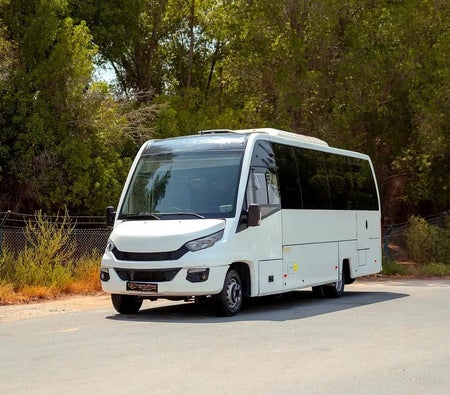
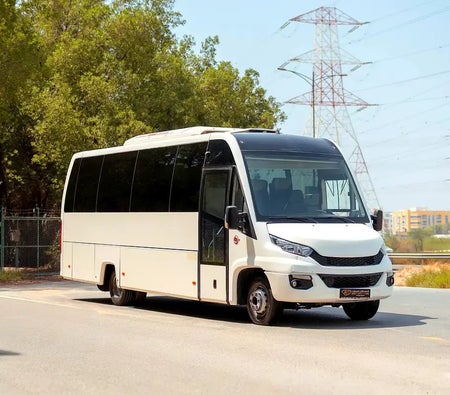
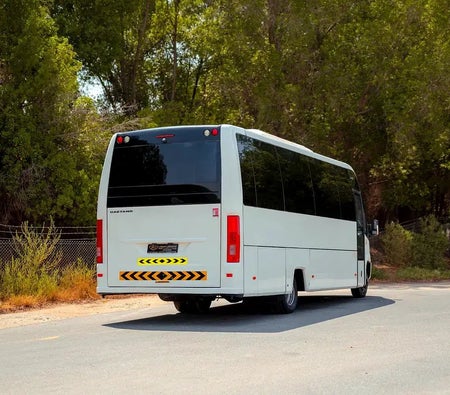
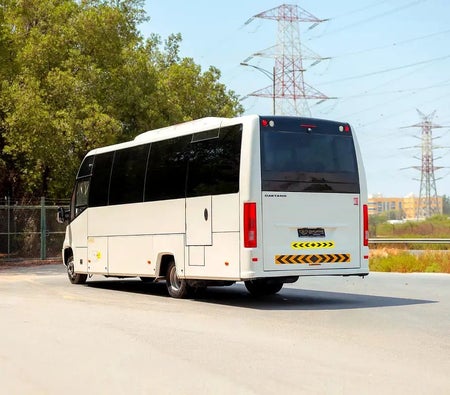


 Экспортируемый